Free and low-cost handyman help for seniors and veterans in Georgia
By Shawn Dobanton · Updated 2026-07-31
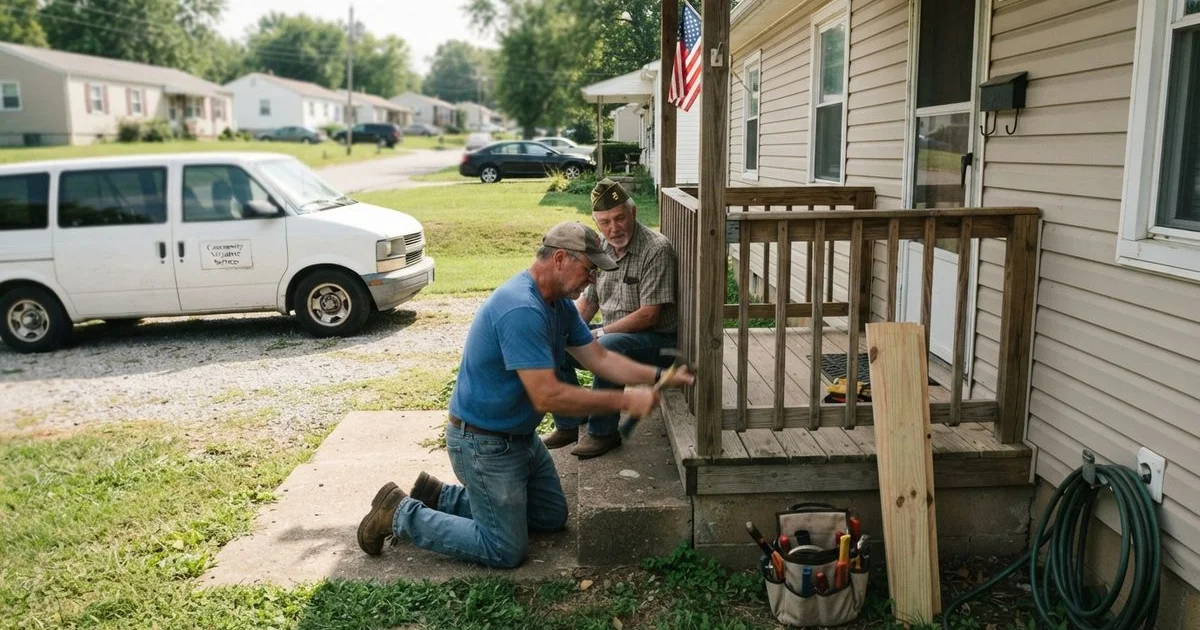
Not every repair needs to come out of pocket at full price. Georgia has a mix of nonprofit, government, and community programs aimed specifically at helping seniors and veterans stay safely in their homes, and a lot of homeowners don’t realize these exist until they go looking.
Where to start looking
Area Agencies on Aging. Georgia is divided into regional Area Agencies on Aging, and most run or coordinate minor home repair and modification programs for qualifying seniors. These are usually the first call to make, since they often know about other local resources too.
Veteran service organizations. Groups like the VA, Georgia Department of Veterans Service, and organizations such as the VFW or American Legion sometimes fund or coordinate home repair and accessibility work for veterans, particularly those with a service-connected disability.
Weatherization assistance programs. Georgia’s weatherization program, often administered through community action agencies, helps income-qualifying households with insulation, drafts, and some minor repairs tied to energy efficiency.
Local nonprofits and volunteer groups. Many counties have volunteer-based repair programs, sometimes church-affiliated or run through United Way partners, that take on small jobs like ramp building or grab bar installation at no cost to qualifying homeowners.
What these programs typically cover
| Usually included | Usually not included |
|---|---|
| Grab bars, handrails | Full bathroom remodels |
| Wheelchair ramp construction | Kitchen renovations |
| Minor weatherproofing | Cosmetic painting |
| Smoke detector installation | Large structural repairs |
| Small fall-hazard fixes | Landscaping or yard work |
The focus across nearly all of these programs is safety and the ability to keep living independently, not home improvement in the broader sense.
What makes someone eligible
Eligibility usually rests on a combination of age (often 60 or 62 and up for senior-focused programs), household income relative to local guidelines, and sometimes disability status or veteran status specifically. None of these are universal across every program, which is exactly why it’s worth calling more than one organization rather than assuming a single “no” from one agency means you don’t qualify anywhere. A program aimed at very low-income households might turn you down while a broader safety-focused program serving all seniors regardless of income says yes.
Homeownership status matters too. Most of these programs are built for people who own the home they live in, since the work is a permanent modification to the property. Renters facing the same accessibility needs are usually better served working through their landlord or a disability-services organization instead.
What to have ready when you call
Most programs move faster if you can describe the specific hazard (a broken step, a missing grab bar, a door that’s hard to open) and confirm your age, veteran status, or income where relevant. Some maintain waitlists, especially for larger jobs like ramp construction, so it’s worth calling more than one organization rather than waiting on a single list.
Why waitlists happen and how to work around them
Demand for free repair and modification programs usually outpaces the volunteer hours and funding available to run them, which is why ramp construction and larger jobs often carry a real wait. Calling early, before a hazard becomes urgent, gives you more breathing room than trying to get on a list once a fall has already happened. Some programs also prioritize the most urgent safety cases, so being specific about a real, current hazard when you call can move a request up rather than sitting in a general queue.
When the job falls outside these programs
If your repair doesn’t fit a free program, either because of scope or a waitlist, it doesn’t mean you’re on your own. Many of the same agencies keep informal lists of local contractors known for fair pricing and reliable work with seniors. If this is your first time hiring outside a formal program, our first-time homeowner’s guide to hiring a handyman walks through how to vet a provider. Our directory of Georgia handymen is a place to compare options directly, with review history and consistency scored through our ranking methodology, so you can find a fair-priced provider even outside a formal assistance program.
FAQ
- What kind of repairs do free handyman programs usually cover?
- Most focus on safety and accessibility: grab bars, ramp access, handrail repair, weatherproofing, and minor structural fixes that reduce fall risk. They're generally not set up for cosmetic work like painting or remodeling.
- Is there an income limit to qualify?
- Many area agency on aging and nonprofit programs do use income guidelines, though the specific limit varies by program and county. Contact the organization directly to check your household's eligibility before assuming you don't qualify.
- Do veterans get access to different programs than other seniors?
- Some programs are veteran-specific, often tied to service-connected disability or VA benefits, while others serve any qualifying senior regardless of veteran status. It's worth checking both your local Area Agency on Aging and veteran service organizations.
- What if my repair need doesn't qualify for a free program?
- Many of the same organizations that run free repair programs also maintain lists of vetted, reasonably priced local contractors for work outside their scope, so it's worth asking even if your specific job doesn't fit their free program.