Handyman punch list before selling your house in Georgia
By Shawn Dobanton · Updated 2026-08-15
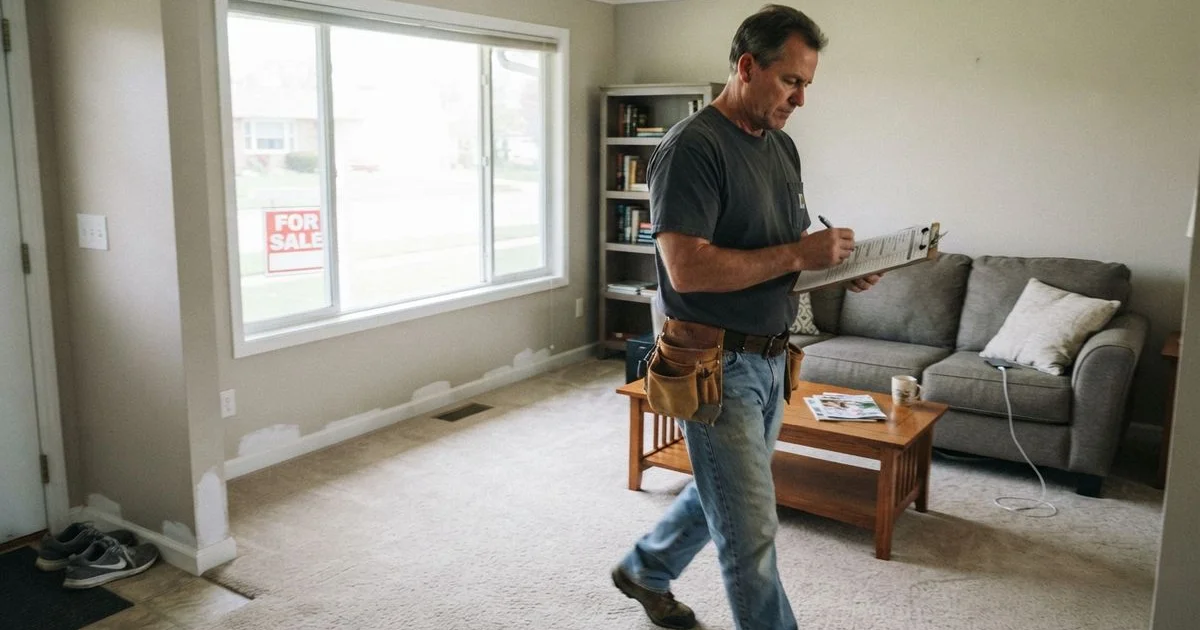
A house doesn’t need to be perfect to sell, but the fixes you make (or skip) before listing shape both your asking price and how smoothly the process goes once a buyer’s inspector shows up. The goal is targeting the repairs that actually move the outcome, not chasing every imperfection in the house.
What tends to matter most
- Safety and function issues. Loose railings, non-functioning smoke detectors, and electrical problems near water (missing GFCI outlets in kitchens and bathrooms) are common inspection flags that buyers and their agents take seriously.
- Anything that signals bigger problems. Water stains, even old ones, raise questions about roof or plumbing issues even if the underlying cause is already fixed. Addressing the stain, and being ready to explain what caused it, avoids unnecessary buyer anxiety.
- First-impression items. A fresh coat of paint in neutral tones, a repaired front door or porch step, and clean, working fixtures affect how a buyer feels the moment they walk in, which matters more to a sale than most sellers expect.
What’s usually not worth fixing before you list
Full kitchen or bathroom remodels rarely return their full cost at sale and are better left as a known factor reflected in your asking price. Minor cosmetic wear in low-visibility areas, like a garage or unfinished basement, usually isn’t worth the spend either. If your budget is limited, it’s almost always better to put money into the handful of items below than to spread it thin across everything.
| High-value pre-listing fixes | Usually not worth it |
|---|---|
| Fresh paint in entry, living room, kitchen | Full kitchen or bathroom remodel |
| Fixing loose railings and steps | Cosmetic wear in a garage or basement |
| GFCI outlets near water | High-end fixture upgrades buyers may replace anyway |
| Repairing visible water stains and their cause | Landscaping beyond basic tidying |
| Working smoke detectors | Minor scuffs on floors buyers expect to touch up |
What inspectors flag most often
Home inspections in Georgia commonly turn up minor electrical issues, small plumbing leaks, roof or gutter wear, and general deferred maintenance like missing caulk or weatherstripping. None of these are usually deal-breakers on their own, but addressing them before listing avoids a round of last-minute negotiation once a buyer’s inspector finds them first.
Pricing it into the listing instead of fixing everything
Not every issue needs to disappear before you list. For bigger-ticket items you’ve decided not to address, an aging roof nearing the end of its expected life, or a kitchen that clearly needs updating, it’s often smarter to price the home to reflect that known condition than to sink money into a partial fix that a buyer will want to redo anyway. Being upfront about known issues in the listing or disclosure paperwork, rather than hoping they go unnoticed, tends to lead to a smoother negotiation than a buyer discovering something during inspection that wasn’t mentioned.
Consider a pre-listing inspection
Getting your own inspection before listing lets you address issues on your terms and your budget, rather than negotiating repairs under time pressure during a buyer’s inspection period. It also gives you documentation that the major systems were checked, which can smooth the conversation with a buyer later.
Timing the work around your listing date
Book your handyman visit with enough runway before photos and showings, ideally two to three weeks out, so there’s room to reschedule if a supply issue or a bigger-than-expected repair pushes the timeline. Painting especially needs drying time before furniture goes back and photos get taken, so it shouldn’t be the last item finished the night before your listing goes live.
Getting the work done
Bundling this kind of punch list into one or two handyman visits is usually more efficient than tackling items one at a time. Our directory of Georgia handymen lets you compare providers who handle exactly this kind of multi-item repair list, and our ranking methodology explains how we score reliability and review consistency.
FAQ
- Do I need to fix everything before listing my house?
- No. Focus on items that affect safety, function, or a buyer's first impression. Cosmetic issues in less visible areas are often better left for the buyer to handle after closing, especially if a full renovation isn't in the budget.
- What repairs come up most often in a home inspection?
- Minor electrical issues (loose outlets, missing GFCI protection near water), small plumbing leaks, roof and gutter issues, and deferred maintenance items like caulking and weatherstripping tend to show up repeatedly.
- Is it worth painting before selling?
- A fresh coat in neutral tones in high-visibility areas (entry, living room, kitchen) is one of the more reliably worthwhile pre-listing projects, since it affects first impressions directly and is relatively inexpensive per room.
- Should I get a pre-listing inspection?
- Many sellers find it worthwhile, since it surfaces issues you can address on your own schedule and pricing, rather than negotiating repairs under pressure during the buyer's inspection period.