Storm season home prep: what a Georgia handyman can fix before the next storm
By Shawn Dobanton · Updated 2026-08-17
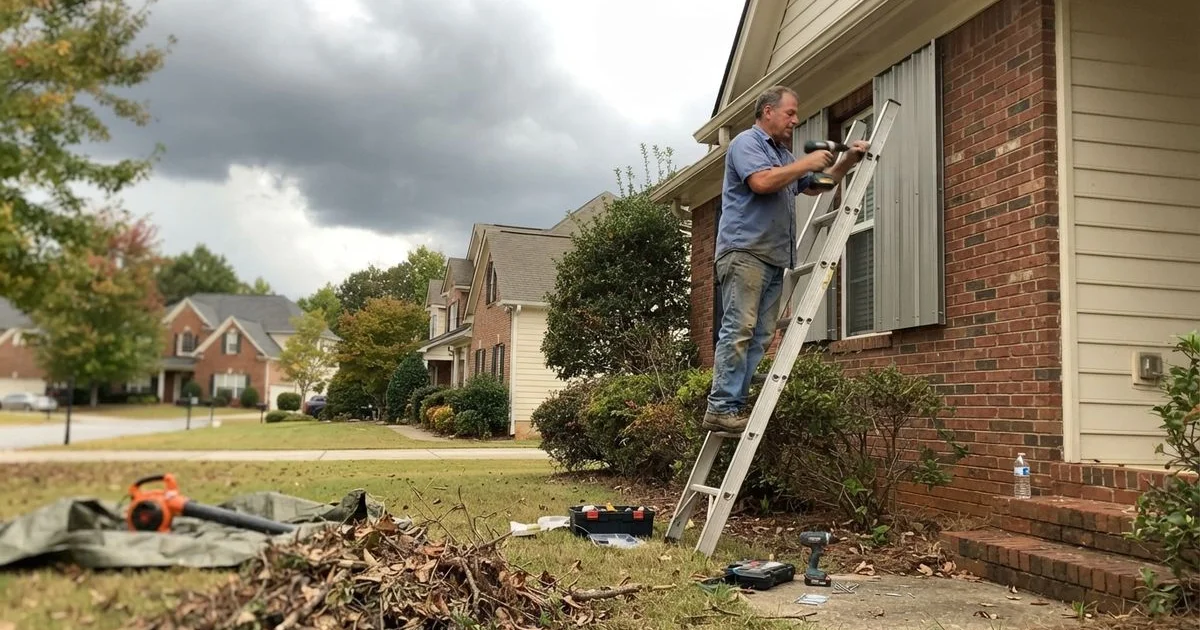
Georgia’s storm season brings real wind, heavy rain, and the occasional remnant of a tropical system working its way inland, and a handful of preventive repairs make a real difference in how a house holds up. None of this requires a major renovation; most of it is routine handyman work that’s easy to put off until it isn’t.
Georgia’s general repairs hub lists local providers who take on exactly this kind of seasonal prep work.
The prep list that actually matters
- Gutters and downspouts. Clear debris and check that water is actually flowing away from the foundation. Clogged gutters are a leading cause of water intrusion during heavy rain, and this is one of the cheapest, highest-value fixes on this list.
- Roof and flashing. Loose or missing shingles and gaps in flashing around chimneys and vents are where wind-driven rain gets in. A visual check from the ground, or a professional look if your roof is older, catches most issues early.
- Fencing. Sections that already lean or have loose posts are the most likely to come down in high wind. A small repair now is cheaper than a full rebuild later.
- Trees and branches. Dead or overhanging limbs near the house or power lines are a real hazard in high wind. Small branches are a reasonable DIY trim; anything near power lines or requiring real height should go to a professional.
- Doors and windows. Weatherstripping and caulking gaps keep wind-driven rain from finding its way inside during a heavy storm.
What tends to get skipped, and what it costs later
| Skipped now | What it often leads to |
|---|---|
| Clogged gutters | Foundation water intrusion, basement or crawl space moisture |
| Loose fence posts | Full fence sections coming down in wind |
| Overhanging dead branches | Roof or siding damage during a storm |
| Gaps around windows and doors | Water intrusion and higher energy bills year-round |
| Deferred roof flashing repair | Water damage to ceilings and walls after heavy rain |
A quick walkaround before the season starts
A useful habit is a slow walk around the outside of the house looking specifically for anything that’s changed since last year: a downspout that’s come loose, a fence post that’s shifted, a tree limb that’s grown closer to the roofline than it used to be. This kind of visual check takes fifteen minutes and often catches the small issue before it becomes the reason water gets into the attic during the next heavy storm. Keep a short list as you go and hand it to a handyman as a single punch list rather than calling separately for each item. It’s also a good moment to double check that safety fixes like handrails and lighting are still solid, especially in a home where an aging parent lives; our guide to aging-in-place home modifications covers what to prioritize.
Timing it right
Spring, before the peak of storm season, is the better window for this list, since it gives you time to schedule repairs without competing with everyone else calling after a storm has already hit. Waiting until a storm is forecast in the next few days often means longer waits and higher urgency pricing for anything that could have been handled ahead of time.
Don’t overlook the attic and crawl space
Ventilation and moisture issues in an attic or crawl space don’t announce themselves the way a leaking roof does, but they matter just as much during storm season. Poor attic ventilation can trap heat and moisture that stresses roofing materials from underneath, while a crawl space vapor barrier that’s torn or missing lets ground moisture rise into the house during heavy, sustained rain. A quick look at both, or having a handyman check them as part of the same visit, rounds out a prep list that otherwise focuses mostly on what’s visible from outside.
After the storm passes
If a storm gets through before you finish this list, check the same items again: gutters for new debris, fencing for wind damage, and roofing for anything dislodged. Catching new damage quickly limits how much it spreads before the next round of weather.
Our directory covers Georgia handymen who handle this kind of seasonal and storm-related repair work, and our ranking methodology explains how we score responsiveness and reliability.
FAQ
- When is storm season in Georgia?
- Georgia sees severe thunderstorm activity mainly in spring and summer, with a higher chance of tropical storm remnants moving through late summer into fall. Prepping in spring, before the peak stretch, gives repairs time to be scheduled without a rush.
- What's the single most valuable storm prep repair?
- Clearing and repairing gutters and downspouts. Clogged or damaged gutters are one of the most common causes of water intrusion during heavy rain, and it's a relatively quick, affordable fix compared to the water damage that follows when it's skipped.
- Should I trim trees before storm season myself?
- Small branches near the house are reasonable to handle yourself with basic tools. Anything requiring a ladder near power lines or large limb removal is safer left to a professional with the right equipment.
- Is fence repair worth doing before a storm?
- Yes, especially sections already leaning or with loose posts. A fence in marginal condition is far more likely to come down in high wind, and a small repair now is cheaper than a full rebuild after storm damage.