Interior painting in Georgia: when to DIY and when to hire a pro
By Shawn Dobanton · Updated 2026-08-02
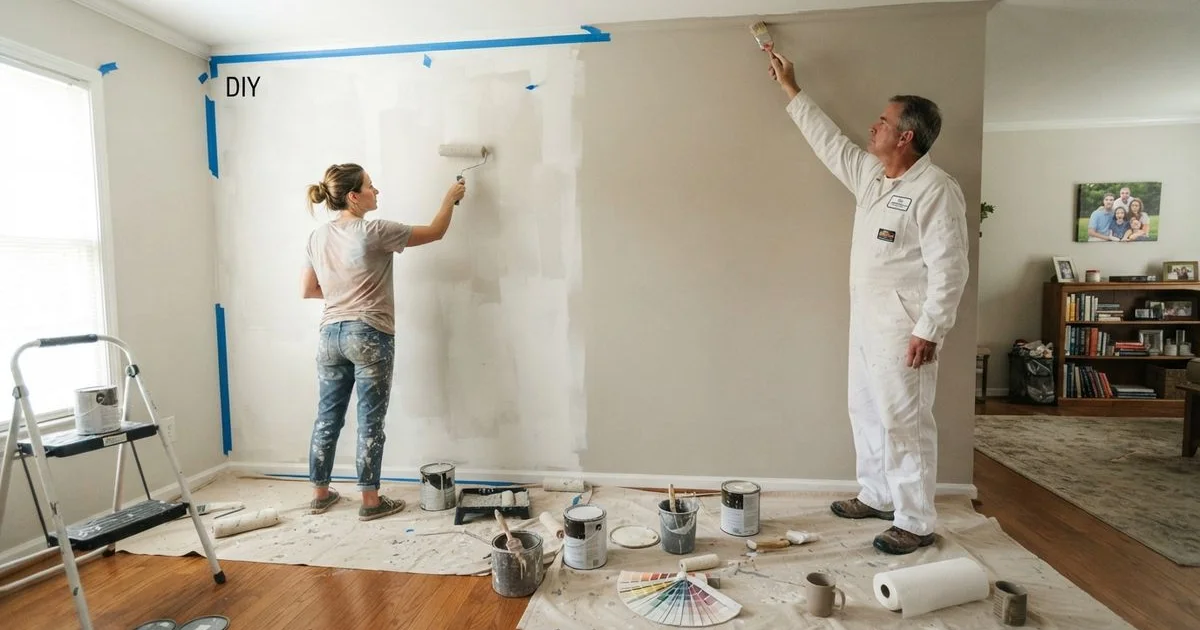
Painting is the DIY project almost everyone considers at some point, because it seems simple: buy paint, buy a roller, get to work. Whether that’s actually the right call depends less on your confidence and more on the specific job in front of you. If you land on hiring out, Georgia’s painting services hub lists local providers to compare.
Good DIY candidates
A single room with walls in reasonable shape is a solid place to start. If you’re repainting a similar color, the walls don’t have major damage, and you’re comfortable with basic taping and two coats, this is genuinely achievable over a weekend. Small furniture or trim touch-ups, and painting a piece you’re not attached to getting perfect, are also low-risk places to practice.
Jobs where hiring out usually pays off
- Exterior painting. Ladder work, weather timing, and surface prep on siding are a different scale of project than an interior room, and mistakes are visible from the street for years.
- High ceilings or stairwells. The physical access alone makes these harder and riskier to DIY safely.
- Cabinet refinishing. Getting a smooth, durable finish on cabinets takes specific technique and the right products; a rushed DIY job often shows brush strokes or an uneven sheen.
- Rooms with real prep issues. Water stains, peeling old paint, or drywall patches that need to blend into the surrounding wall texture are where professional experience shows up the most.
Georgia’s older housing stock, especially homes built before the 1980s, sometimes hides older paint layers underneath that need careful handling before repainting. If you’re not sure what’s under the existing coat, that’s a reasonable moment to bring in a pro rather than guess.
Why the same paint looks different depending on who applies it
The paint itself is rarely the reason a DIY job looks different from a professional one. Prep work, sanding rough spots, caulking gaps, priming bare or stained areas, and taping cleanly, is where quality actually gets decided, and it’s also the step that’s easiest to rush on a weekend project. A contractor who explains their prep process before quoting the paint itself is usually a good sign.
| Job | DIY-friendly | Better hired out |
|---|---|---|
| Single interior room, walls in good shape | Yes | - |
| Furniture or trim touch-up | Yes | - |
| Full exterior repaint | - | Yes |
| Cabinet refinishing | - | Yes |
| Room with major prep needed | - | Yes |
| High ceilings or stairwells | - | Yes |
What to buy if you’re doing it yourself
If you’re going the DIY route, spending a bit more on paint quality matters more than most first-timers expect. A contractor-grade or mid-tier paint line covers more evenly in fewer coats and holds color better over time than the cheapest option on the shelf, which often means fewer coats and less rework even if the can costs more upfront. Painter’s tape rated for clean removal, a decent angled brush for cutting in around trim, and a drop cloth you actually use (not just own) round out the short list that separates an amateur-looking result from a genuinely clean one.
How much time to actually budget
First-timers routinely underestimate how long prep takes relative to the actual painting. A single bedroom might only need two hours of rolling and cutting in, but a full day is realistic once you account for moving furniture, taping, patching small holes, letting primer dry, and cleanup. Planning for a full weekend rather than a single afternoon avoids the rushed second coat that’s the most common reason a DIY paint job looks uneven once it’s dry.
Making the call
If your job fits the DIY-friendly list and you’re not in a hurry, it’s a reasonable weekend project. If it’s exterior work, involves real prep, or you just don’t have the time, hiring a painter usually costs less in frustration than it looks like on paper. Our directory covers the full range of handyman work across the state, and our ranking methodology explains exactly how we score each listing.
FAQ
- Is painting one bedroom a reasonable DIY project?
- For most people, yes. A single room with basic prep, taping, and a couple of coats is one of the more approachable DIY jobs, especially if the walls are already in decent condition.
- What painting jobs are usually better left to a pro?
- High ceilings, exterior work, cabinet refinishing, and any surface with significant prep needed (water stains, peeling paint, patched drywall that has to blend into the surrounding texture) tend to go better with someone experienced, since the prep work is where most DIY jobs fall short.
- Why does my DIY paint job look different from a professional one even with the same paint?
- Prep is almost always the difference, not the paint itself. Sanding, priming, caulking gaps, and proper taping take time that's easy to rush through on a DIY job, and skipping steps shows up in the final finish.
- Does hiring a pro guarantee a better result?
- It significantly improves the odds, especially for larger or more complex jobs, but the quality still depends on the specific contractor. Ask to see photos of past work and check how they describe their prep process before hiring.