Lead paint and older homes in Georgia: what to know before you paint
By Shawn Dobanton · Updated 2026-08-12
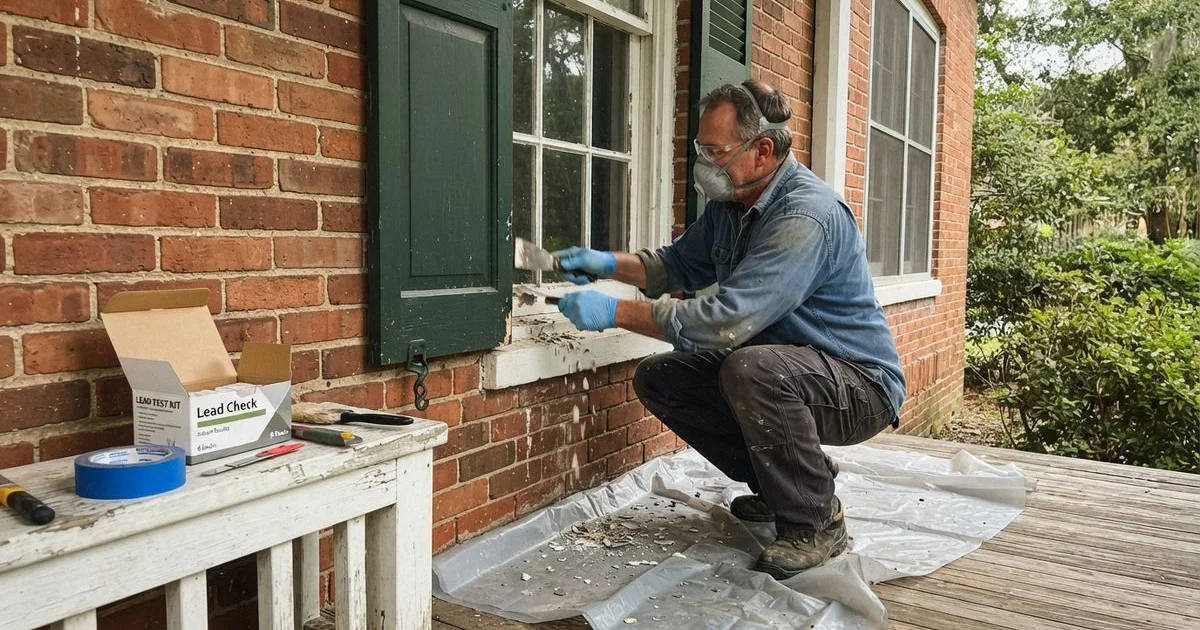
This is general safety information, not a substitute for a certified lead inspection or medical advice. If you suspect lead exposure, especially with young children in the home, contact your doctor and a certified lead professional.
Georgia has plenty of housing built well before 1978, the year the US banned lead-based paint for residential use, and that single fact changes how a repaint or drywall repair should be handled in an older home. It’s not something to guess about, since the risk is real but also very manageable once you know it’s there. Georgia’s painting services hub lists providers if you’re ready to compare once you’ve read through the safety basics below.
Why 1978 is the line that matters
Homes built before 1978 may have layers of lead-based paint under newer coats, even ones that have been repainted several times since. The paint itself sitting quietly under a top coat isn’t the main danger. The danger comes from disturbing it: sanding, scraping, or demolition that creates dust and paint chips small enough to inhale or, for young children, end up in their mouths.
What actually raises the risk
| Lower risk | Higher risk |
|---|---|
| Painting over paint that’s intact and not peeling | Sanding or dry-scraping old paint layers |
| A home built after 1978 | A home built before 1978 with unknown paint history |
| Small, contained touch-ups | Large-scale prep work or demolition |
| Areas with no visible chipping or peeling | Windows, doors, and trim, common spots for lead paint wear |
Which parts of the house tend to be the biggest concern
Windows, doors, and their surrounding trim are where lead paint risk shows up most often, since these are the surfaces that get the most friction and wear from opening and closing over the years, which grinds old paint into fine dust over time. Exterior siding and trim exposed to weather can also chalk and shed paint gradually. Interior walls that have been repainted cleanly and stayed intact are generally lower on the list of concerns, simply because there’s less friction and disturbance happening there day to day.
Finding out for sure
A home lead test kit from a hardware store gives a quick, rough answer. A certified lead inspector gives a more reliable one and can tell you which specific areas or layers are affected, which matters if you’re planning renovation work rather than a simple repaint. If you have young children or are pregnant, this is worth doing before any work starts, not after.
What safe practice looks like
If your home’s age puts it in the pre-1978 range and the job involves any sanding, scraping, or removal of old paint, ask directly whether the contractor is trained and certified in lead-safe work practices. This isn’t a formality; it covers how the work area is contained, how dust is controlled, and how debris is cleaned up and disposed of, all of which matter for keeping lead dust out of the rest of the house.
For simple painting over intact, non-peeling surfaces, the risk is much lower, and a standard handyman visit is generally fine. The distinction is really about whether the old paint layer is being disturbed. That kind of straightforward job is exactly what our guide on DIY versus hiring a painter in Georgia covers in more depth.
If you have young children in the home
Children under six are the most vulnerable to lead exposure, since their developing bodies absorb more of what they’re exposed to and hand-to-mouth behavior increases the chance of ingesting paint dust or chips. If your home is old enough to be a concern and you have young kids, it’s worth being more cautious than the general guidance above: consider a professional inspection rather than a DIY test kit, and talk to your pediatrician about whether a blood lead level check makes sense given your home’s age and condition.
Where to go from here
For anything involving real prep or an unknown paint history in an older home, ask about lead-safe certification before booking. Our directory and ranking methodology can help you compare providers either way.
FAQ
- How do I know if my house has lead paint?
- If your home was built before 1978, there's a real chance some layer of paint underneath contains lead, even if it's been repainted since. A lead test kit or a certified inspector can confirm it before you disturb any old paint.
- Is it dangerous to paint over lead paint without disturbing it?
- Painting over intact, undisturbed lead paint is generally lower risk than sanding or scraping it, which creates dust and chips that can be inhaled or ingested. The danger comes mainly from disturbing the old layer, not from its presence alone.
- Can a regular handyman do lead-safe painting work?
- In the US, contractors performing work that disturbs lead paint in pre-1978 housing are required to follow EPA lead-safe work practices, and some hold specific certification for it. Ask directly whether the person doing the work is certified for this if your home's age puts it in that range.
- What should I do with paint chips or dust from an older home?
- Don't sweep or vacuum them with a regular vacuum, which can spread lead dust further. Wet-wipe the area and dispose of debris according to local guidance rather than treating it like normal household dust.