Handyman or licensed plumber? What to expect for a plumbing repair visit
By Shawn Dobanton · Updated 2026-07-23
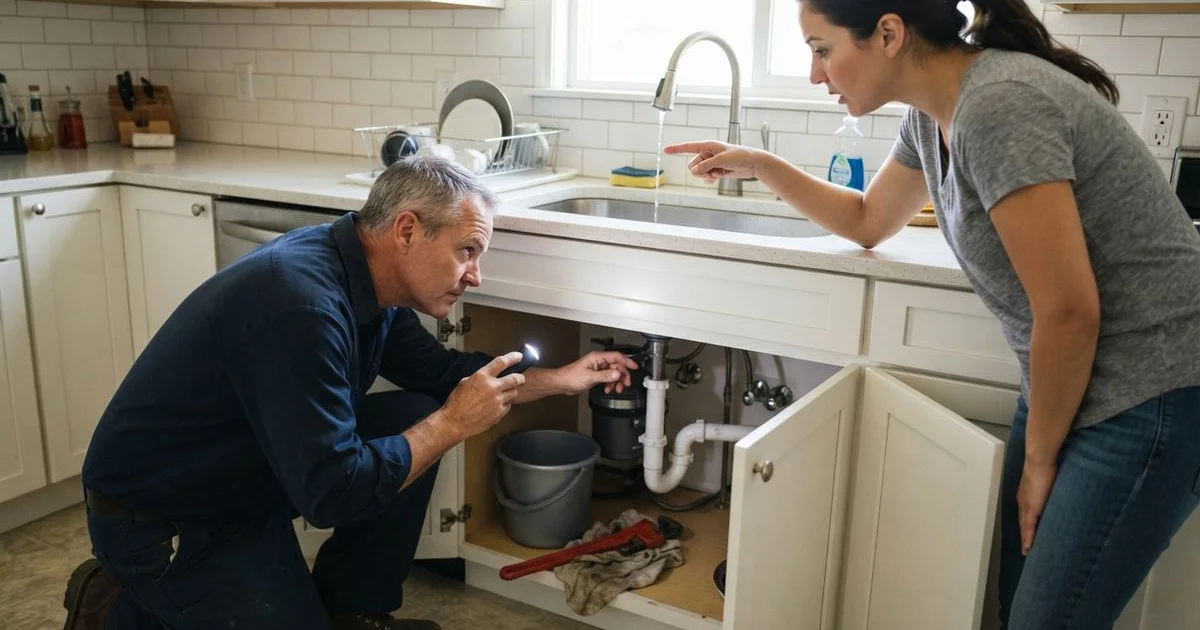
“Plumber near me” brings up a mix of results: licensed plumbing companies, HVAC-and-plumbing outfits, and general handymen who also take plumbing calls. For a lot of common household problems, any of the three can do the job. The trick is knowing which type of repair you actually have before you pick up the phone. Georgia’s plumbing fixes hub is a good place to see who covers this work locally once you’ve got a read on the scope.
Handyman scope versus licensed plumber scope
A general handyman with plumbing experience can typically handle:
- A running or leaking toilet
- A dripping or loose faucet
- A slow or clogged drain
- Replacing a garbage disposal
- Caulking around a tub or sink
Jobs that usually need a licensed plumber instead:
- Water heater installation or replacement
- Gas line connections
- Sewer line repair or replacement
- Re-piping a section of the house
- Anything that requires a permit from the local building department
The line isn’t always obvious from the symptom alone. A “slow drain” that’s actually a partially collapsed sewer line is a different job than a hair clog in a bathroom sink, and a good technician will diagnose before quoting rather than assuming.
What to expect during the visit
A competent repair visit follows a fairly consistent pattern, regardless of who’s doing the work.
- Diagnosis first. The technician looks at the problem, asks how long it’s been going on, and checks whether it’s isolated or connected to something bigger (a single slow drain versus multiple fixtures backing up).
- A price before the work starts. You should hear a number, or at least a clear range, before anything gets cut into or replaced.
- The fix itself. Straightforward jobs like a faucet or toilet repair usually wrap up in under an hour. Anything involving opening a wall or accessing a pipe under a slab takes longer.
- A explanation, not just a bill. A reasonable expectation is that the technician tells you what failed and why, not just what they charged.
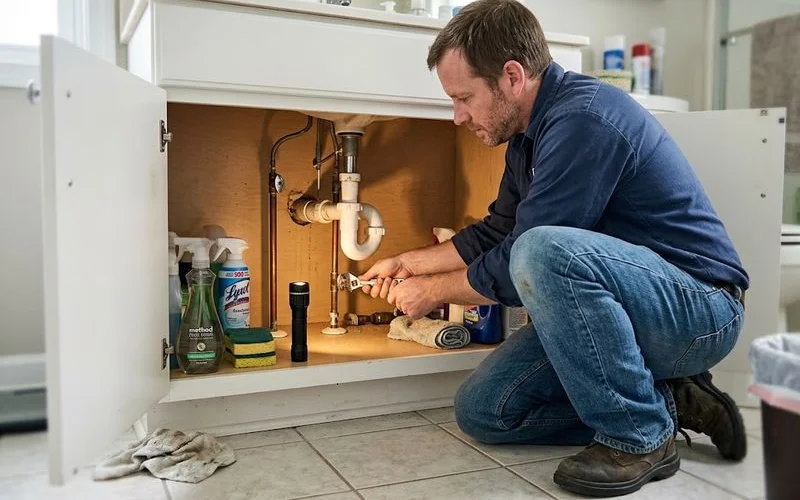
Questions worth asking before you book
A short round of questions upfront saves a wasted trip and gets you closer to the right person the first time.
- Is this a job you handle regularly, or would you refer it out?
- Are you licensed for plumbing work, or working alongside someone who is?
- What’s your trip or minimum fee, and does it apply toward the repair itself?
- Roughly how long does a job like this usually take?
If the answer to the first question is hesitant, that’s often a sign the job is at the edge of what they normally take on, which is worth knowing before they show up.
Red flags worth watching for
A quote that changes dramatically once work begins, with no explanation, is worth questioning. So is a technician who won’t say whether they’re licensed for a job that clearly needs it, like a water heater swap. On the other end, don’t mistake a fair, upfront referral to a licensed plumber as a bad sign. A handyman who tells you a job is outside their scope, rather than attempting it anyway, is doing you a favor.
A quick self-check before you call
Ask yourself two things first: is this a single, contained fixture or line, and is there any smell of gas or sign of sewage backup involved. A contained issue with neither of those complications is almost always safe to route to a general handyman. Anything involving gas lines, sewage, or a system-wide problem affecting multiple fixtures at once is worth routing straight to a licensed plumber rather than starting with a general call and getting referred later.
Finding the right fit
If your issue is one of the common, contained jobs above, a general handyman with plumbing experience is usually the faster and often cheaper option. If it involves gas, a water heater, or anything structural to the plumbing system, start with a licensed plumber instead. If you want a closer read on what typically moves the price up or down once you know the scope, our plumbing repair cost guide breaks down the biggest cost drivers. Our directory covers both, and our ranking methodology page breaks down exactly how we score every listing so a high rank reflects real review history.
FAQ
- Can a handyman fix a running toilet or a slow drain?
- Yes, these are typical handyman-scope jobs. A running toilet usually needs a new flapper or fill valve, and a slow drain often clears with a snake. Both are quick, common repairs that don't require a licensed plumber.
- What plumbing jobs need a licensed plumber instead of a handyman?
- Water heater installation, gas line work, sewer line repair, re-piping, and anything that requires pulling a permit generally need a licensed plumber. A handyman who takes plumbing calls should tell you upfront when a job crosses that line.
- How long does a typical plumbing repair visit take?
- A single, straightforward fix like a faucet swap or a toilet repair usually takes under an hour once the technician has the part. Jobs that involve opening a wall or tracing a leak to its source take longer, sometimes a half day.
- What should I ask before booking a plumbing repair?
- Ask whether they're licensed for the specific job, what their trip or minimum fee covers, and whether the quote includes putting back anything they had to open, like drywall around a pipe.