What drives the cost of a plumbing repair in Georgia
By Shawn Dobanton · Updated 2026-07-22
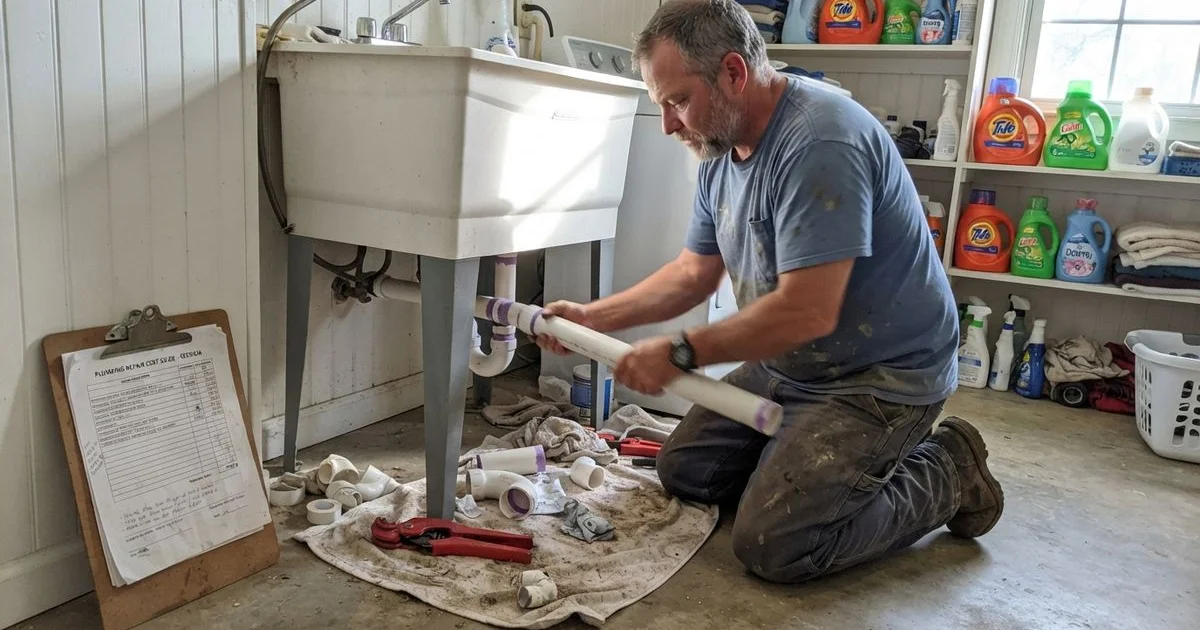
“Plumber near me” is one of the most searched phrases among Georgia homeowners looking for repair help, and for good reason: plumbing problems rarely wait for a convenient time, and the price range for fixing them is genuinely wide. A dripping faucet and a slab leak both start with the same phone call, but they don’t end with the same bill.
Here’s what actually separates a cheap plumbing fix from an expensive one. If you already know your job is squarely plumbing and want to compare providers directly, our plumbing fixes hub lists Georgia specialists who handle this work daily.
The biggest cost driver: access
More than the part itself, what usually decides the price is how hard it is to reach the problem.
- Open access (a crawl space, an exposed pipe under a sink) keeps a repair fast and affordable.
- Behind a finished wall or under a slab means cutting in, repairing the pipe, and either patching drywall yourself later or paying the plumber to do it.
- Old or mismatched pipe in older homes sometimes needs an adapter fitting or a longer section replaced than the original leak suggested.
Typical jobs and what moves the price
| Job | What keeps it affordable | What pushes it higher |
|---|---|---|
| Faucet repair or replacement | Standard fitting, easy under-sink access | Corroded shutoff valves, mismatched fittings |
| Toilet installation | Standard flange, no floor damage | Rotted subfloor found underneath |
| Drain clog | Simple snake job | Recurring clog pointing to a deeper line issue |
| Burst or leaking pipe | Exposed section, quick shutoff | Slab leak, pipe behind finished drywall |
| Water heater swap | Straightforward like-for-like replacement | Code updates needed, tight closet access |
Emergency calls carry a premium, and that’s usually worth it
A burst pipe, an active leak, or a water heater that’s flooding a closet is not a problem to schedule for next Tuesday. Emergency plumbing dispatch in Georgia typically costs more than a booked appointment, which reflects the reality of pulling a technician off another job or out on a weekend, not a markup for the sake of it. The math still works in your favor: the cost of an emergency call is almost always smaller than the water damage from waiting.
For a slow drip or a toilet that runs a little long after flushing, there’s no need to pay the emergency rate. Those can wait for standard scheduling.
What a fair quote should spell out
Before you agree to a price, a fair quote should tell you whether it covers parts, labor, or both, whether there’s a trip or minimum fee on top of the work itself, and what happens if the plumber finds a second problem once the first one is open. Ask specifically whether the number you’re hearing is a firm quote or a rough estimate that could change once they see the pipe up close. A plumber who won’t give you any number until they’ve physically looked at the job isn’t being difficult, sometimes that’s genuinely the only honest way to price a hidden-access repair, but they should still be able to tell you the likely range for a job like yours.
It also helps to ask what the warranty looks like on the repair itself. A reputable plumber typically stands behind a fix for some period after the visit, so if the same leak reappears within that window, you’re not paying for the same job twice.
Handyman scope versus licensed plumber scope
Not every plumbing job needs a licensed plumber, and a handyman who’s upfront about that boundary is worth more than one who says yes to everything. General handyman scope typically covers faucet swaps, running toilets, minor drain clearing, and fixture replacement. Water heater installation, gas line work, sewer line repair, and anything that needs a permit generally sits with a licensed plumbing contractor. If a handyman quotes a job that sounds like it belongs in that second category, ask directly whether they’re licensed for it or working alongside someone who is. For a closer look at what an actual repair visit involves once you’ve made that call, see our guide on handyman or licensed plumber, what to expect during the visit.
Getting an accurate number
The fastest way to a reliable quote is describing the problem specifically: what’s leaking, where, how long it’s been going on, and whether you can see the pipe or it’s hidden. A photo helps even more. Our directory of Georgia handymen and plumbing pros lets you compare providers before you commit to one, and our ranking methodology explains how we weigh review history, responsiveness, and consistency so a high score means something.
FAQ
- Why do two plumbing quotes for the same problem come in so far apart?
- Access is usually the reason. A leak behind an open crawl space is a different job from the same leak inside a finished wall that has to be opened and later patched. Ask each quote what it assumes about access before comparing the numbers directly.
- Is an emergency plumbing call always more expensive?
- Usually, yes. After-hours or same-day dispatch carries a premium over work booked during normal business hours, because you're asking someone to rearrange their schedule. A burst pipe or active leak is worth paying that premium for; a slow drip usually isn't.
- Does fixing a leak also cover the drywall or flooring it damaged?
- Not always in the same visit. Many plumbing repairs stop at the pipe itself, with drywall, paint, or flooring treated as a separate follow-up job. Ask specifically whether your quote includes putting the wall back together.
- Will a handyman fix plumbing, or do I need a licensed plumber?
- It depends on the job. A handyman can typically handle a running toilet, a slow drain, or swapping a faucet. Water heater installs, gas line work, and anything requiring a permit generally need a licensed plumber, and a reputable handyman will tell you when that's the case.